 por
por In an increasingly interconnected world, the need for global citizenship education has become more pressing than ever. As societies become more diverse and interconnected, it is essential for schools to promote an understanding of global issues, cultural diversity, and intercultural competence among students.
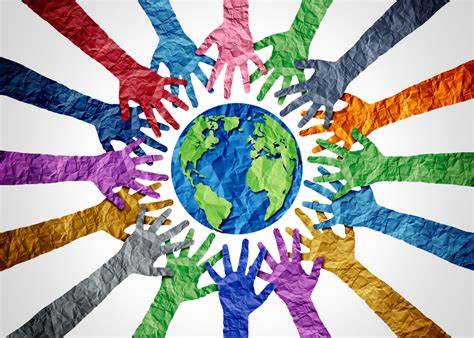
This article explores the importance of promoting global citizenship education in schools, the benefits it offers, and strategies for integrating it into the curriculum. Global citizenship education encompasses a broad range of knowledge, skills, and attitudes that empower individuals to understand and address global challenges, respect cultural diversity, and contribute to a more just and sustainable world.
By promoting global citizenship education in schools, educators can prepare students to become informed, empathetic, and active global citizens who are equipped to navigate the complexities of our interconnected world.
One of the key benefits of promoting global citizenship education
In schools is its potential to foster a deeper understanding of global issues and perspectives. Through the study of global challenges such as climate change, poverty, and human rights, students can develop a broader awareness of the interconnectedness of the world and the impact of their actions on a global scale. This understanding can inspire students to become agents of positive change in their communities and beyond. Furthermore, global citizenship education promotes cultural awareness and intercultural competence among students.
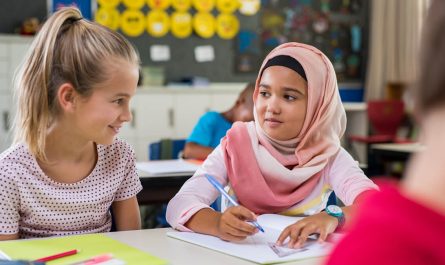
By learning about diverse cultures, traditions, and perspectives, students can develop empathy, tolerance, and respect for cultural differences. This fosters a sense of inclusivity and belonging, creating a more harmonious and respectful school environment that reflects the diversity of the global community. In addition to fostering understanding and empathy, global citizenship education equips students with the skills necessary to engage in global issues and contribute to positive change. Critical thinking, communication, collaboration, and problem-solving skills are essential components of global citizenship education, enabling students to analyze complex global challenges, communicate across cultural boundaries, and work collaboratively to address pressing issues. Integrating global citizenship education into the school curriculum requires a multifaceted approach that encompasses various subjects and activities. Social studies, geography, history, and language arts provide natural opportunities to explore global issues, cultural diversity, and human rights.
In addition to traditional academic subjects, extracurricular activities such as Model United Nations, cultural exchange programs, and service-learning projects can further enrich students’ understanding of global citizenship. Moreover, technology can play a crucial role in promoting global citizenship education in schools.
Virtual exchanges
 Online collaborative projects with students from different countries, and access to digital resources from around the world can expand students’ global perspectives and foster cross-cultural understanding. Technology also enables students to engage with global issues in real time and connect with individuals from diverse backgrounds, transcending geographical boundaries. While promoting global citizenship education offers numerous benefits, it also presents challenges that must be addressed.
One of the primary challenges is ensuring that educators are equipped with the necessary knowledge and resources to effectively integrate global citizenship education into their teaching practices. Professional development opportunities and resources that support educators in fostering global citizenship competencies are essential to the successful implementation of this educational approach. In conclusion, promoting global citizenship education in schools is critical for preparing students to become active participants in a globalized world.
By fostering understanding, empathy, and intercultural competence, schools can empower students to become informed and engaged global citizens who are capable of contributing to positive change on a local and global scale. Through a comprehensive approach that integrates global perspectives across the curriculum and leverages technology to connect with the world, schools can play a vital role in nurturing the next generation of globally minded citizens.