 por
por Market volatility is an inevitable part of investing, and it can be a source of anxiety and uncertainty for many investors. However, successful long-term investing requires the ability to navigate through market ups and downs and stay focused on the bigger picture. In this article, we will discuss some tips for successfully navigating market volatility.
Achieving long-term investment success.
- Stay Focused on Your Long-Term Goals: During periods of market volatility, it’s crucial to keep your long-term goals in mind. Remember that investing is a marathon, not a sprint. Short-term market fluctuations should not derail your long-term investment strategy. By staying focused on your goals, you can avoid making impulsive decisions based on short-term market movements.
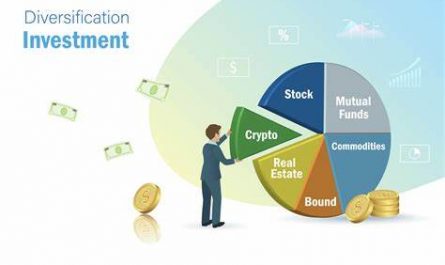
- Diversify Your Portfolio: Diversification is a key strategy for managing risk in any market environment. By spreading your investments across different asset classes, sectors, and geographic regions, you can reduce the impact of volatility on your portfolio. Diversification helps ensure that losses in one area can be offset by gains in another, providing a more stable overall return.
- Rebalance Regularly: Market volatility can cause your portfolio’s asset allocation to drift from its target. To maintain the desired risk-return characteristics, it’s important to rebalance your portfolio regularly. This involves selling assets that have performed well and buying those that have underperformed to bring your portfolio back in line with your target allocation. Regular rebalancing helps you take advantage of market fluctuations and maintain a disciplined approach to investing.
- Focus on Quality Investments: In volatile markets, it’s crucial to focus on quality investments that have strong fundamentals and a track record of stability. Look for companies with solid financials, competitive advantages, and a history of consistent performance. Quality investments are more likely to weather market downturns and provide sustainable returns over the long term.
- Avoid Emotional Decision-Making: Emotional decision-making can be detrimental to investment success, especially during periods of market volatility. Fear and greed can lead investors to make irrational decisions based on short-term market movements. It’s important to stay disciplined and stick to your investment strategy, rather than reacting impulsively to market fluctuations. Avoid making knee-jerk reactions based on emotions and focus on the long-term outlook.
- Consider Dollar-Cost Averaging: Dollar-cost averaging is a strategy that involves investing a fixed amount of money at regular intervals, regardless of market conditions. This approach allows you to buy more shares when prices are low and fewer shares when prices are high, smoothing out the impact of market volatility over time. Dollar-cost averaging takes the guesswork out of market timing and helps you build your portfolio steadily over the long term.
- Stay Informed but Avoid Overreacting: It’s important to stay informed about market developments and economic trends. However, it’s equally important to avoid overreacting to every piece of news or market movement. Remember that markets are driven by a multitude of factors, and short-term fluctuations do not necessarily reflect the long-term prospects of an investment.

Focus on the big picture and avoid making knee-jerk reactions based on short-term noise. In conclusion, successfully navigating market volatility requires discipline, patience, and a long-term perspective. By staying focused on your goals, diversifying your portfolio, rebalancing regularly, focusing on quality investments, avoiding emotional decision-making, considering dollar-cost averaging, and staying informed without overreacting, you can navigate through market ups and downs and achieve long-term investment success. Remember that investing is a journey, and market volatility is just a part of that journey.