 por
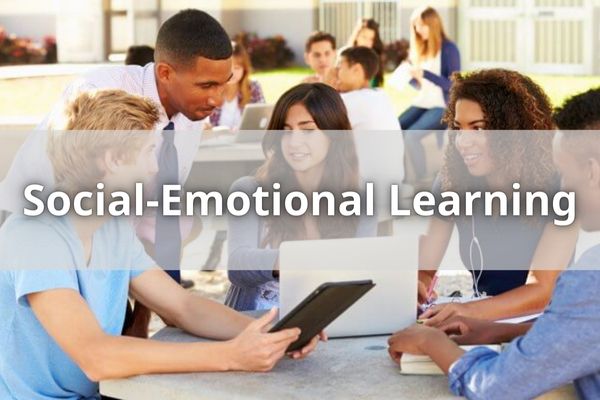
por In recent years, there has been a growing recognition of the importance of social-emotional learning (SEL) in promoting student well-being. SEL encompasses a range of skills that enable individuals to understand and manage emotions, set and achieve positive goals, feel and show empathy for others, establish and maintain positive relationships, and make responsible decisions. This article explores the impact of social-emotional learning on student well-being, the benefits it offers, and strategies for integrating SEL into educational settings. The impact of social-emotional learning on student well-being is multifaceted and far-reaching. Research has shown that students who participate in SEL programs demonstrate improved academic performance, enhanced social skills, and reduced emotional distress. By developing skills such as self-awareness, self-management, social awareness, relationship skills, and responsible decision-making, students are better equipped to navigate the challenges of school and life, leading to improved overall well-being.
One of the key benefits of social-emotional learning
is its positive impact on mental health. By equipping students with the tools to understand and manage their emotions, SEL programs can help reduce stress, anxiety, and depression. Students who are able to regulate their emotions and cope with challenges are more likely to experience a greater sense of well-being and resilience in the face of adversity. Furthermore, social-emotional learning promotes positive social behaviors and relationships among students. By fostering empathy, communication skills, and conflict resolution abilities, SEL programs contribute to the creation of a supportive and inclusive school environment. When students feel connected and supported by their peers and teachers, they are more likely to experience a sense of belonging and emotional well-being. In addition to its impact on mental health and social relationships, social-emotional learning has been linked to improved academic outcomes.
 Students who have developed strong self-regulation skills are better able to concentrate, set goals, and persevere in the face of academic challenges. Moreover, the ability to understand and manage emotions can positively impact students’ motivation, engagement, and overall academic achievement. Integrating social-emotional learning into educational settings requires a comprehensive approach that encompasses various strategies and practices. SEL can be integrated into the curriculum through explicit instruction, incorporating activities and lessons that focus on emotional intelligence, self-awareness, relationship-building, and responsible decision-making. In addition to formal instruction, schools can create a supportive environment that promotes SEL through positive discipline practices, peer mentoring programs, and opportunities for student leadership and collaboration.
Furthermore, educators play a crucial role in promoting social-emotional learning by modeling positive behaviors and providing students with opportunities to practice and apply SEL skills in real-life situations. By incorporating SEL into classroom routines and activities, educators can create a nurturing and supportive learning environment that fosters students’ emotional well-being. Incorporating social-emotional learning into educational settings also requires collaboration between educators, parents, and community stakeholders. By involving parents in SEL initiatives and providing them with resources to support their children’s emotional development, schools can extend the benefits of SEL beyond the classroom. Community partnerships can also provide additional support and resources to promote student well-being through initiatives such as counseling services, mental health awareness programs, and extracurricular activities that promote social-emotional skills. While the impact of social-emotional learning on student well-being is significant, challenges remain in implementing comprehensive SEL programs. Adequate resources, professional development for educators, and ongoing assessment of SEL initiatives are essential components of successful implementation.
Additionally, addressing cultural and linguistic diversity, as well as ensuring that SEL programs are inclusive and equitable for all students, is crucial for maximizing their impact on student well-being. In conclusion, social-emotional learning plays a vital role in promoting student well-being by equipping students with essential skills to navigate the complexities of school and life. By fostering emotional intelligence, empathy, resilience, and positive social behaviors, SEL contributes to improved mental health, academic success, and positive relationships among students. Through a holistic approach that integrates SEL into the curriculum, nurtures a supportive school environment, and involves collaboration with parents and community stakeholders, schools can effectively promote the well-being of their students through social-emotional learning.