
 por
por As a business owner, managing taxes and maximizing savings are crucial aspects of financial management. Effective tax planning can help businesses reduce their tax liability, increase their cash flow, and improve their overall financial health.
By implementing strategic tax management techniques, businesses can optimize their tax position and achieve significant cost savings. In this article, we will explore some effective strategies for managing business taxes and maximizing savings.
- Understanding Tax Deductions and Credits: One of the fundamental strategies for managing business taxes is to take advantage of all available deductions and credits. By understanding the tax laws and regulations relevant to their industry, businesses can identify eligible expenses that can be deducted from their taxable income. Additionally, businesses should explore tax credits for which they may qualify, such as research and development credits, energy efficiency incentives, and hiring incentives. Leveraging these deductions and credits can result in substantial tax savings for businesses.
- Implementing Tax-Advantaged Retirement Plans: Another effective strategy for managing business taxes is to establish tax-advantaged retirement plans for employees. Contributing to retirement plans such as 401(k) or SEP-IRA not only helps employees save for their future but also provides tax benefits for the business. Contributions to these retirement plans are typically tax-deductible for the business, reducing its taxable income and ultimately lowering its tax liability.
- Utilizing Depreciation and Amortization: Businesses can benefit from tax savings by strategically utilizing depreciation and amortization methods for their assets. By spreading out the cost of acquiring assets over their useful life through depreciation, businesses can lower their taxable income. Similarly, businesses can use amortization to deduct the cost of intangible assets over time, such as patents, trademarks, and copyrights. These tax strategies can result in significant long-term savings for businesses.
- Taking Advantage of Tax-Deferred Exchanges: Tax-deferred exchanges, also known as like-kind exchanges, allow businesses to defer taxes on the sale of certain assets by reinvesting the proceeds into similar replacement assets. This strategy can be particularly beneficial for real estate transactions, where businesses can defer capital gains taxes by exchanging one property for another. By leveraging tax-deferred exchanges, businesses can optimize their cash flow and defer tax payments to a later date.
- Engaging in Strategic Tax Planning Throughout the Year: Effective tax management involves proactive planning throughout the year, rather than waiting until tax season approaches. By staying informed about changes in tax laws and regulations, businesses can adapt their financial strategies to maximize tax savings.
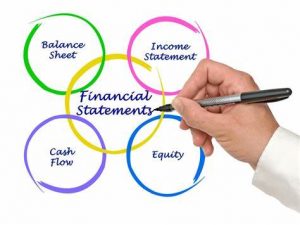 Regularly reviewing financial statements, conducting tax projections, and seeking advice from tax professionals can help businesses identify opportunities for tax optimization and minimize surprises at tax time. In conclusion, effective strategies for managing business taxes and maximizing savings are essential for maintaining a healthy financial position.
By understanding tax deductions and credits, implementing tax-advantaged retirement plans, utilizing depreciation and amortization, taking advantage of tax-deferred exchanges, and engaging in strategic tax planning throughout the year, businesses can optimize their tax position and achieve significant cost savings. With careful planning and proactive management, businesses can navigate the complexities of taxation and enhance their financial well-being.